We Accept Insurance!
-
Blue Cross Blue Shield
-
Harvard Pilgrim
-
Health Plans, Inc.
-
Tufts Health Public Plans
-
Tufts Commercial
-
Sliding scale private pay

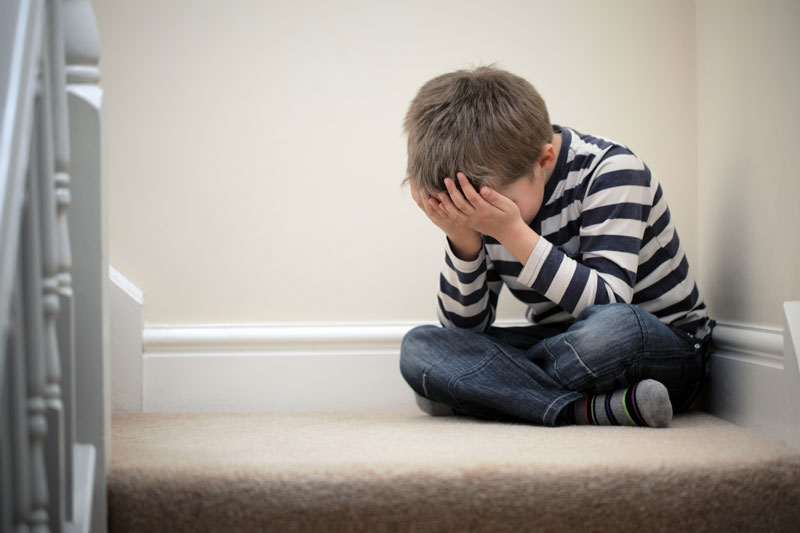
All children feel anxious or worried sometimes, but if they're really struggling with social interactions or specific fears that prevent them from living their lives, it may be time to seek help.
Your child may have intense concerns and worries over things like school, family, or just general unease and constantly imagining that bad things can or will happen. This can also come with physical symptoms like headaches and stomach problems.
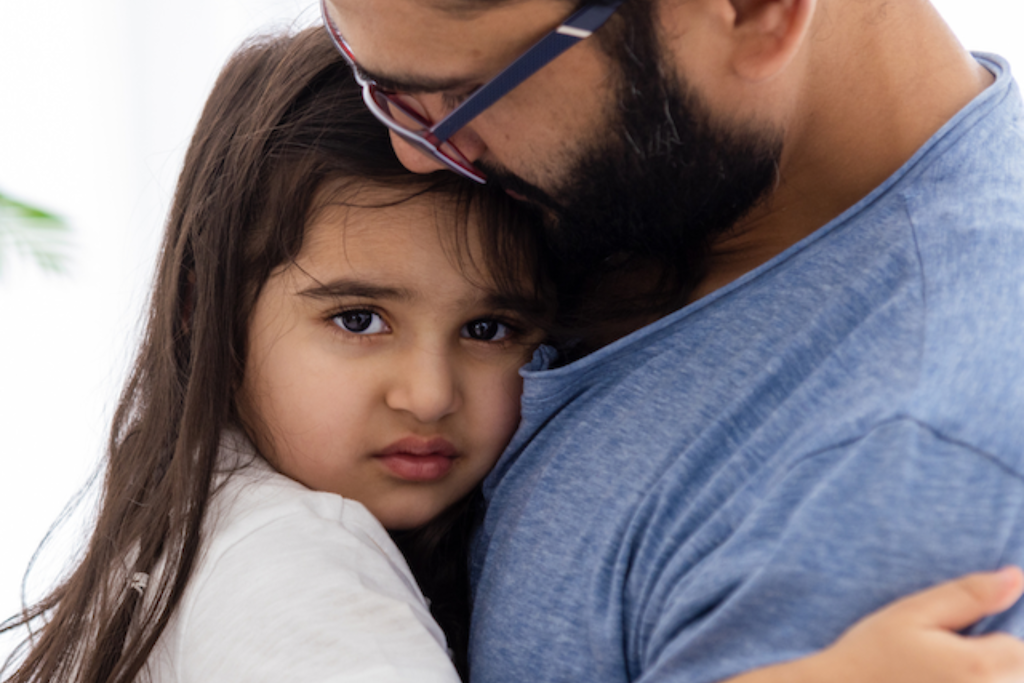
Some children frequently suffer from unexpected panic attacks which include a host of physical symptoms such as shallow or rapid breathing, increased heart rate, shaking or tremors, and intense feelings of fear. Children with panic issues may also hyperfocus on when they may experience another panic attack and grow incredibly fearful of this.
Kids with school refusal experience intense anxiety and fear around attending school. This can be for multiple different reasons but is typically tied to worries around things like social interactions, anxiety when taking a test, feeling overwhelmed when there's a deadline due, or fear about riding the school bus.
Also known as selective mutism, this is a condition where a child is able to speak openly and confidently at home or with a caregiver but cannot speak up at school or in social situations. This can be tied to anxiety or fears over social interactions and the potential for embarrassment. Kids with selective mutism often seem extremely shy and socially anxious or can appear "frozen" when asked a question or expected to speak.
Separation anxiety is a form of attachment in which a child cannot be away from caregivers and loved ones without feeling profound feelings of fear, worry, or general unease. This is typically more common in younger kids, and can include warning signs like tantrums, excessive crying or screaming, or physically clinging to their loved ones.
Get help for separation anxiety
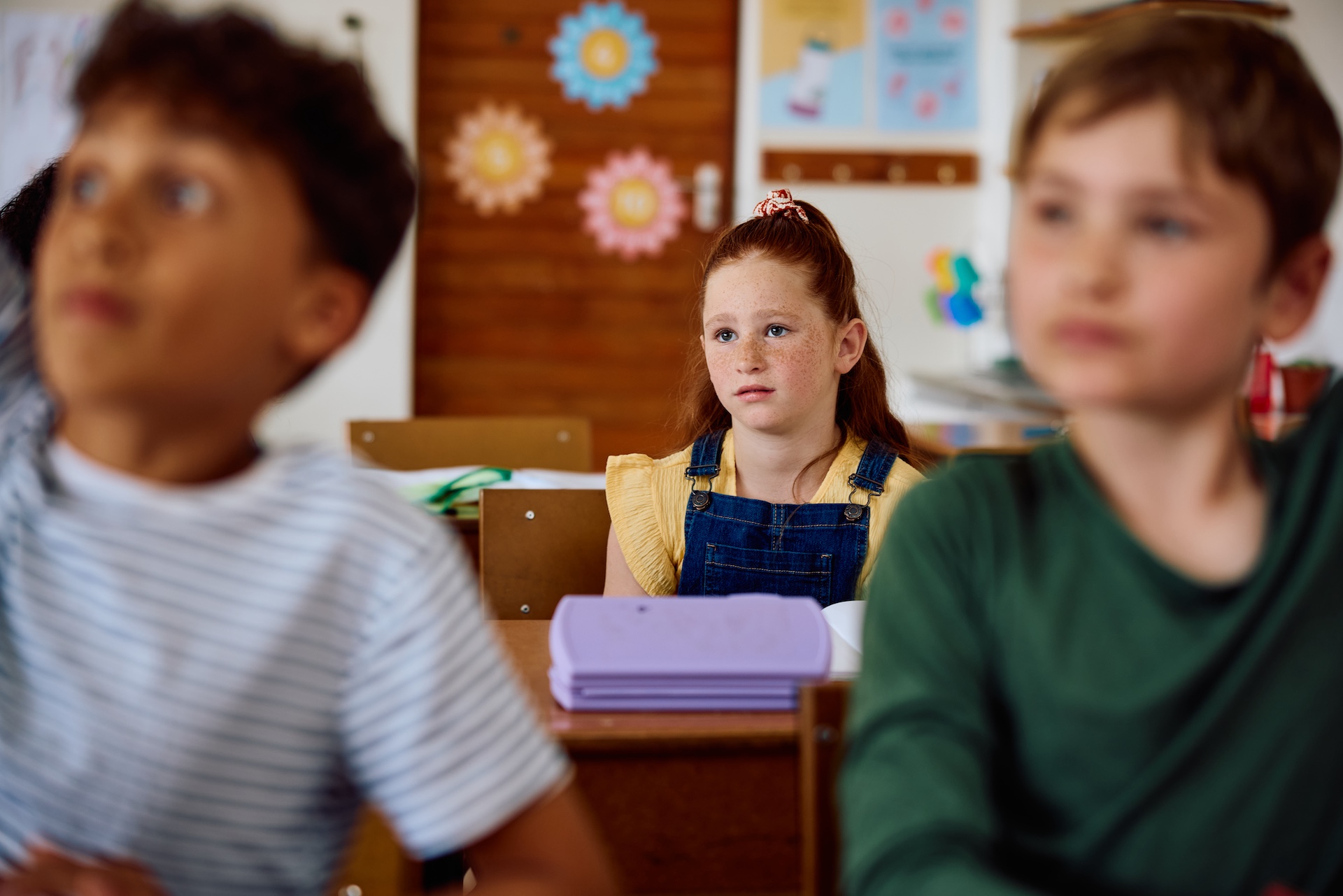
Social anxiety is a condition where a kid may intentionally avoid social situations or feel very uncomfortable interacting with students, teachers, or anyone unfamiliar. Kids with social anxiety may ruminate over how others perceive them and want to avoid social interactions for fear of embarrassment or judgement.
Phobias are very specific fears related to certain things like dogs, needles, bugs, or germs. This goes beyond a typical moment of fright and can be excessive to the point where children will actively avoid any situations in which they might encounter the subject of their phobia and will be unable to handle coming in contact with it.